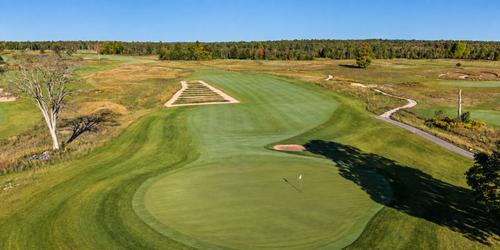

The course was in beautiful shape. That was the first thing I noticed, and it is the first thing everybody notices, because that is exactly what it is designed to do. Greens rolling true, bunkers raked, flowers at the entry gate. Meanwhile the community was two years from a special assessment that would hit every homeowner for five figures.
Nobody was lying to me. The sales office just had no reason to bring it up, and I had no idea what to ask.
Here is the thing about golf community finances. You are not just buying a house. You are buying a fractional share of a golf course, a clubhouse, a pool complex, a road network, and a gate, and every one of those things wears out. Somebody pays for that. If the community has been putting money aside, the somebody is everybody, a little at a time. If it has not, the somebody is you, in one letter, on a Tuesday.
Here is what to look for.
1. There is no reserve study, or it is more than five years old
A reserve study is an engineering document that inventories everything the community owns, estimates what is left of its useful life, and calculates what should be in the bank to replace it. Roofs, cart paths, irrigation, pumps, the clubhouse HVAC, the pool shell.
Ask for it. If the answer is that they do not have one, or the most recent version predates the last two board presidents, that tells you the community is not planning. Some states require them and some do not, which is why the answer varies so much.
2. Reserves are funded well below the study's recommendation
Having a study is not the same as following it. The document will state a recommended reserve balance and a recommended annual contribution. Compare both to the actual budget.
A community funded at 70 percent or better is generally in reasonable shape. Down in the 20s and 30s, you are looking at deferred pain. That gap does not vanish. It gets billed.
3. Dues have been flat for years
This sounds like good news. It is usually the opposite.
Costs go up every year. Labor, water, fuel, fertilizer, insurance. A board that has held dues flat for six years has either found remarkable efficiencies or has been buying peace by underfunding reserves, and it is almost never the first one. Flat dues in an inflationary stretch are a board managing sentiment rather than a balance sheet.
The community with the steady three percent annual increase is often the healthier one. It just markets worse.
4. The irrigation system is original
This is the golf specific one, and it is the one buyers miss most.
A course irrigation system runs somewhere in the range of two to three decades before it needs full replacement, and replacing it is a seven figure project on most properties. It is invisible, it is not sexy, and it is enormous. If the course opened in 1998 and the system has never been touched, that bill is coming and it is coming to you.
Ask the superintendent, not the sales office. Superintendents will tell you the truth about their own infrastructure because they have been asking for the money for years and would love an ally.
Same question applies to the cart fleet, the maintenance building, the pump station, and the greens themselves. Greens get rebuilt. It closes the course for a season.
5. There has been a recent assessment, or several
One special assessment is not damning. Things break.
A pattern is different. Three assessments in six years means the community is running on a pay as you break model instead of funding reserves, and there is no reason to think that stops the month you move in. Ask for assessment history going back ten years. It is a fair question and any healthy board will answer it.
6. Membership is shrinking
Golf community economics are a division problem. Fixed costs on top, member count on the bottom. When the bottom number falls, everyone's dues go up, which pushes more people out, which raises dues again.
Ask how many memberships exist, how many are filled, and what those numbers were five years ago. Ask whether there is a waitlist. A club with a waitlist has pricing power and a healthy denominator. A club running promotions and waiving initiation fees is telling you something, whether or not it means to.
7. A high number of homes are for sale at once
Drive the neighborhood on a weekday and count signs. Then compare it to the total number of homes.
Some turnover is normal in a community with a lot of older residents. A lot of turnover, concentrated and sudden, usually follows something. An assessment, a dues increase, a dispute, a change in ownership. Ask a listing agent who does not work for the developer why so many people are leaving. You will get a straighter answer than you expect.
8. The club is owned by someone other than the members
This is not automatically bad. Plenty of well run clubs are owned by a management company or a developer, and professional operators can bring real discipline.
But it changes who decides. An owner operator can raise dues, change access rules, sell land, or exit entirely, and the homeowners may have limited say. Member owned clubs are slower and more political and occasionally maddening, but the members cannot be sold out from under themselves.
Find out which one you are buying into, and if it is owner operated, find out what the homeowners' rights are if the owner walks.
9. Nobody will give you the documents
The single clearest signal. Ask for the budget, the reserve study, the last two years of board meeting minutes, the governing documents, and the assessment history.
Board minutes are the best of these. They are boring and they are honest, because they were written for members rather than buyers. That is where you find out that the clubhouse roof has been discussed at four straight meetings, or that a lawsuit is pending, or that the golf committee has been fighting about the irrigation bid since spring.
If a seller or a community stalls on producing these, that is your answer. In most states you have a statutory right to review them during your inspection period. Use it, and have your attorney read them, not just you.
What good looks like
None of this means golf communities are a bad buy. Plenty are in excellent shape, and the well run ones tend to share the same profile: a current reserve study, reserves funded at a healthy percentage, small and predictable annual dues increases, stable or growing membership, a capital plan that names the next three projects and when they happen, and a board that hands over the documents without being asked twice.
That community will look less shiny in the brochure than the one holding dues flat. It is the one you want.
Go see it for yourself
Play the course before you look at a single house, and while you are there, ask the superintendent how old the irrigation is. Then ask the club manager for the reserve study. How both of those conversations go will tell you more than any tour.